Few people are willing to defend unethical behavior, and for the most part, business and industry operate within the scope of acceptable legal and ethical standards. Ethical behaviour is particularly important in a total quality setting in which trust, integrity, and values figure prominently in everyday human interactions.
This Chapter explain what is ethical in a given situation is decided by applying the values that comprise the prevailing moral framework. Ethics can be defined as the principle that guide our behavior in order to make the best decisions that benefit everyone. Ethics is what motivates us to speak the truth, follow through on our promises, and help those in need. On a daily basis, we are guided by an ethical framework that help us make decisions that have positive consequences and steers us away from unjust outcomes. Through our decisions, ethics guide us to make the world a better place.
Human Factors that Contribute to Unethical Behavior
The most common impediment to ethical conduct is simply human nature. An unfortunate fact of life is that it will often appear that a person’s personal interest are best served-at least in the short run- by an unethical choice-people make unethical choices based on misguided personal interest. Doing the wrong thing, even for the right reasons, is still wrong.
Eventually circumstances do not alter what is right or wrong, just as understanding, why a person makes an unethical choice does not excuse her for doing so.
Organizational Factors that Contribute to Unethical Behavior include the following :
- Failing to make ethics part of the organization for values.
- Failing to set a consistent positive example
- Putting personnel in ethical “concern”.
- Failing to adopt, deploy, and enforce a corporate code of ethics.
- Applying unrealistic pressure
- Failing to reward ethical behavior
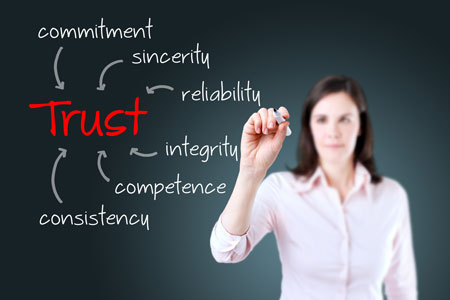
We all know that total quality approach cannot be successfully implemented in an organization that fails to subscribe to high standards of ethical behavior. In connection to it manager should always had a good trust builders.
Which ethical behavior totally follow, the managers that has integrity will keep the organization and employees in mind when making decisions.
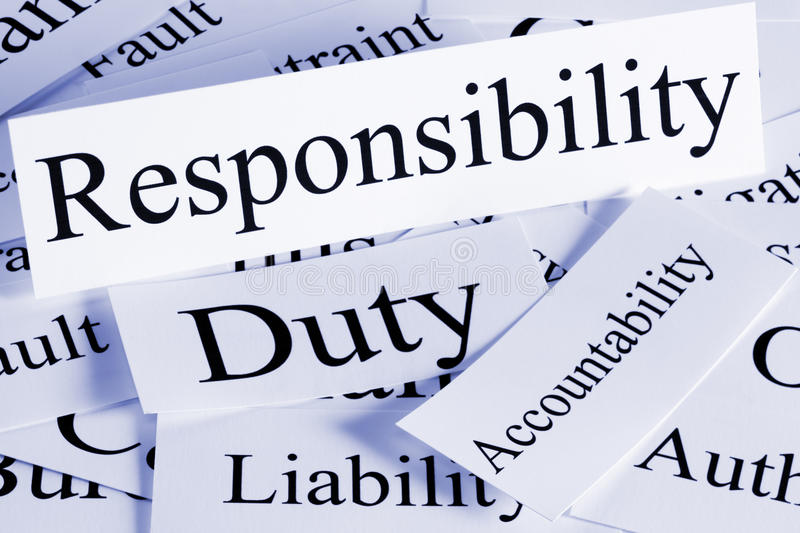
When it talks about Quality it also need a big responsibility. People want to blame others for their won shortcomings and failure, passing blame has become commonplace, this is not ethical behavior. Because in a total quality setting, people should be responsible for their actions and accountable for their performance.
Managers and Professional in organizations are responsible for following through and actually exemplifying ethical behavior. Manager are responsible for establishing high ethical standards, settling consistently positive example of exceeding those standards, and acting immediately when they observe unethical behavior.
Organization Role in Ethics
The organization role are the following:
- Create an unethical environment in which stakeholders know that they will be supported when making ethical choices and
- To ensure that all people in position of authority in the organization set an example of living up to the highest ethical standards.
 Sheila Mae Aldover